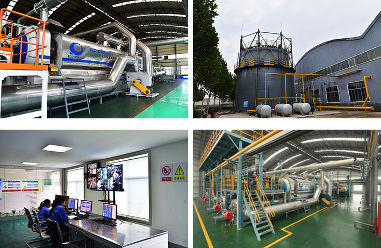
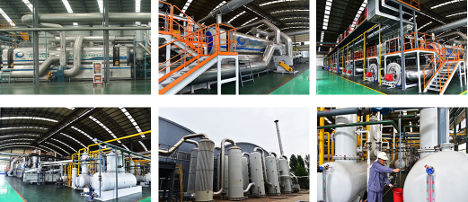
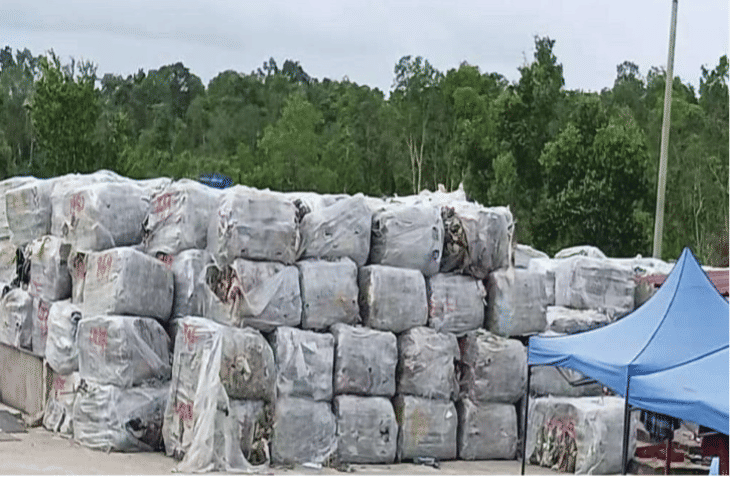
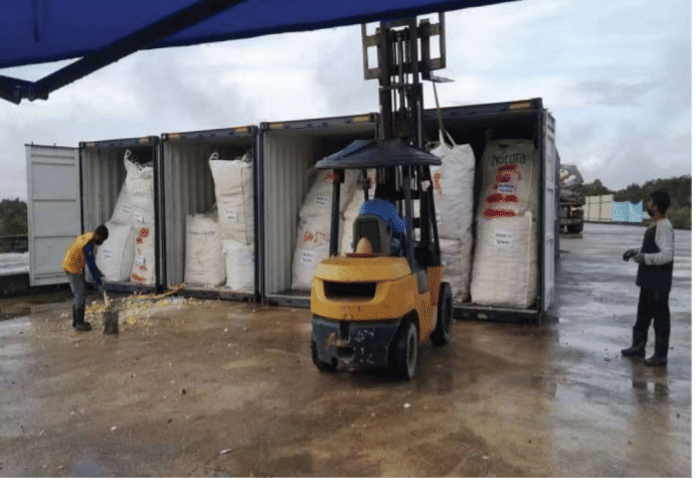
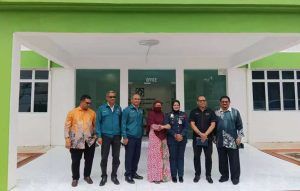
In a major development for global environmental and energy innovation, Dato’ Sri Stanley Goh Teik Keng has entered into a significant long-term strategic partnership with Taiwan’s Evergreen Green Energy and Liang Ming Technology. This collaboration aims to establish a waste plastic processing facility in Taiwan and bring Taiwan’s advanced green energy technologies to Malaysia, setting the stage for transformative improvements in waste management and green energy development in both regions.
Details of the Strategic Partnership
The newly signed long-term strategic partnership encompasses several key initiatives:
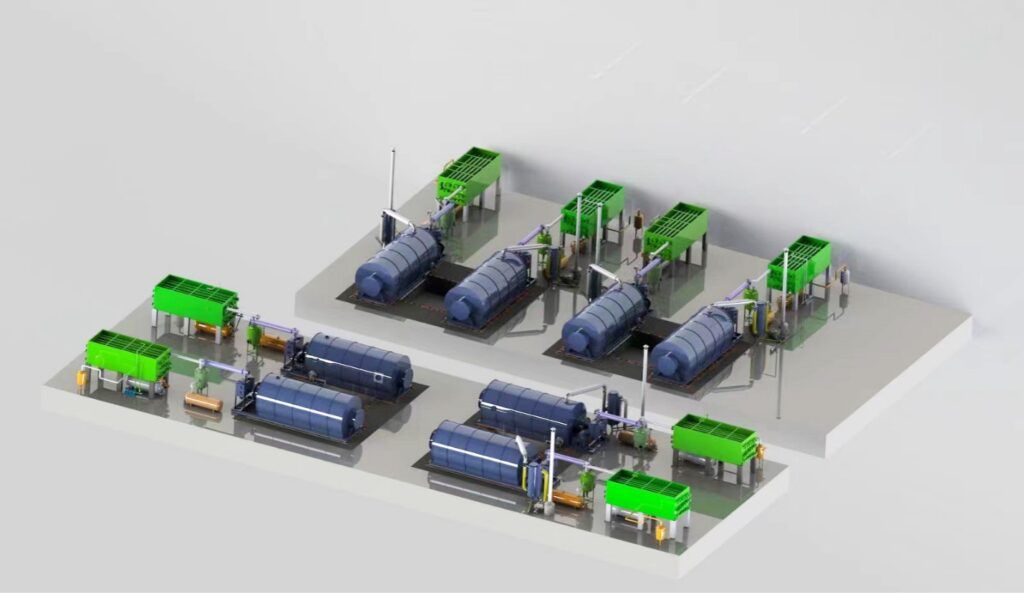
- Establishment of a Waste Plastic Processing Facility: As part of the agreement, the partners will establish a state-of-the-art waste plastic processing plant in Taiwan. This facility will focus on processing and converting waste plastics into renewable energy using cutting-edge green energy technologies. The plant aims to address Taiwan’s growing plastic waste issue effectively, reducing environmental pollution and enhancing the production of sustainable energy. The facility will incorporate advanced recycling and processing techniques to maximize both environmental and resource efficiency.
- Technology Transfer and Localization: The agreement includes the transfer of Taiwan’s advanced green energy technologies to Malaysia. These technologies, which encompass high-efficiency battery systems, waste-to-energy solutions, and other clean energy innovations, will be adapted for use in Malaysia. Through this collaboration, both parties aim to invigorate Malaysia’s green energy sector. The focus will be on localizing these technologies to meet regional needs and driving innovation and growth in Malaysia’s green energy market.
- Government Support and Policy Cooperation: The partnership has received significant support from the Taiwanese government. The joint efforts will assist the Taiwanese government in addressing its plastic waste challenges and implementing green energy projects. The collaboration will involve close cooperation with relevant governmental departments to ensure the successful implementation of the projects and to promote the optimization and enhancement of related policies. Additionally, the project will strengthen bilateral cooperation between Taiwan and Malaysia in environmental and green economy matters.
- Environmental and Social Impact: The establishment of the waste plastic processing facility and the application of advanced green energy technologies will deliver substantial environmental and social benefits. The plant will help mitigate plastic waste pollution and improve resource recovery rates while creating job opportunities and stimulating local economic growth. The introduction and application of advanced technologies will support the growth of the green energy sector, reduce carbon emissions, and contribute to global sustainable development goals.
Objectives and Future Outlook
The primary objectives and future outlook of this strategic partnership include:
- Effective Management of Plastic Waste: By setting up the waste plastic processing facility in Taiwan, the partnership will provide innovative solutions to Taiwan’s plastic waste challenges, thereby reducing environmental impact and advancing waste management and resource recovery technologies.
- Advancement and Application of Green Energy Technologies: The transfer of Taiwan’s green energy technologies to Malaysia will enhance Malaysia’s technological capabilities and competitiveness in the green energy sector. Collaborative R&D and market introduction efforts will drive the widespread adoption and commercialization of these technologies, contributing to the growth of both countries’ green economies.
- Strengthening Regional Green Cooperation: This partnership will deepen the cooperative relationship between Taiwan and Malaysia in green energy and environmental protection. By collaborating on projects and sharing expertise, the partners will promote regional green development and international cooperation in environmental and sustainable energy sectors.
- Creating Long-Term Economic and Social Benefits: The projects will generate significant economic and social benefits, including improved resource efficiency, reduced environmental pollution, job creation, and regional economic development. These benefits will have a positive impact not only in Taiwan and Malaysia but also contribute to the global green economy.
Conclusion
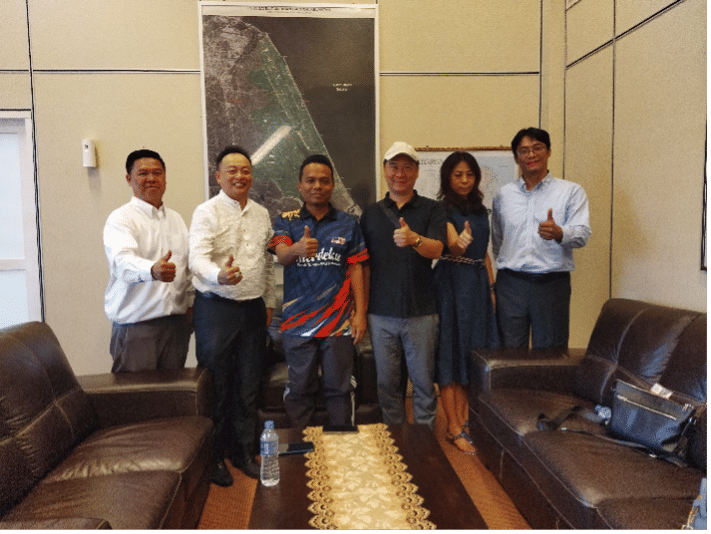
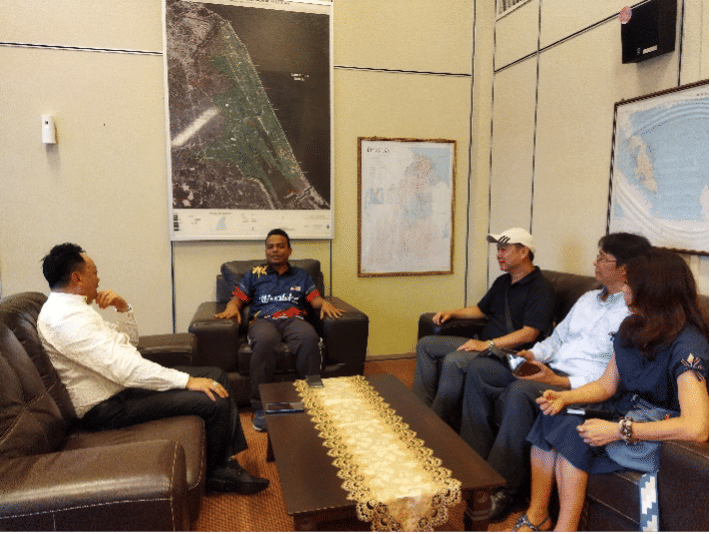
The strategic partnership between Dato’ Sri Stanley Goh Teik Keng and Taiwan’s Evergreen Green Energy and Liang Ming Technology represents a significant milestone in green energy and plastic waste management. By establishing a waste plastic processing facility in Taiwan and transferring advanced technologies to Malaysia, this collaboration will drive green energy development and address plastic waste issues effectively.
Dato’ Sri Stanley Goh Teik Keng and his partners are committed to innovation and cooperation, aiming to offer new solutions for global environmental protection and sustainable development. The successful implementation of this partnership will contribute to advancing the global green economy and support future environmental initiatives.